
Whoa!
I remember the first time a simple swap ate two confirmations and a good chunk of value. It felt cheap and personal, like someone had nicked my lunch. My instinct said, “That shouldn’t happen if you checked the call first,” and that little voice kept nagging me. Initially I thought gas price was the only villain, but then realized reentrancy, bad approvals, and slippage rules often play a much bigger role in user losses.
Really?
Yes, really. Smart contracts are just code, but they sit on chains where money moves fast and rules are subtle. On one hand the UX of wallets makes sending txs feel trivial; on the other hand the ledger never forgets mistakes and sometimes it punishes them harshly, so you end up very very careful, or very very broke.
Whoa, wait—here’s the thing.
Transaction simulation is not glamorous. It won’t make Twitter threads or founder AMA highlight reels. But it surfaces how a contract will behave before your keys sign anything, which changes the risk equation in a meaningful way. I started reading receipts and traces obsessively; there was an aha moment when I realized simulation could catch protocol-level traps that front-ends hide.
Hmm…
Okay, so check this out—simulations let you run a dry-run of a call, including state changes, reverts, and gas usage, against the node’s view of the world. For DeFi users who interact with lending pools, AMMs, or leverage strategies, simulating is like looking both ways before crossing a busy street. I’m biased, but a wallet that integrates robust simulation is a non-negotiable tool in 2026’s toolbox.
Seriously?
Yes. Look at sandwich attacks, for example. A naive swap with optimistic slippage can be exploited mid-mempool by bots. Simulation reveals whether an on-chain price update will happen the way you expect it to, or if a prior action triggers an oracle tweak that ruins your trade. On top of that, complex interactions—like swapping then depositing via a multi-call—are brittle unless you model the whole chain of effects.
Here’s a short story—
I once almost deposited into a pool where the last step assumed a token approval had been set by a helper contract. My wallet’s UI showed green checks; my gut said somethin’ was off. I simulated the compound call and saw a revert due to missing allowance, which would have left me half-exposed and stuck holding dust tokens. Saved me time, fees, and a bad mood.
Initially I thought simulations were only for power users.
Actually, wait—let me rephrase that: I thought they were only for devs and protocol auditors, but then I watched regular traders catch subtle faults with them. On one hand the tooling used to be clunky; on the other, modern wallets now embed traces and decoded reverts natively, so the barrier to entry dropped. So the question became: which wallet gives you clear, actionable sims?
Okay, here’s where tools matter.
Good simulation isn’t just “did it revert or not.” It answers: which state changed, how much gas will it consume in practice, will an oracle update swing prices, what allowances are actually checked, and is any contract set to self-destruct or delegate call unexpectedly. Those are the variables that break trustless interactions in the wild.
How a wallet should present simulations
Whoa!
Clear. Human language notes about why a call might revert. Visualized traces with expandable internals. Estimated gas baked into the UI, not as a vague number, but as ranges tied to different node responses.
My instinct said the best experience merges simulation with local heuristics.
On one hand you want raw VM results so you can audit; on the other you want smart warnings like “this call will change allowance” or “oracle-dependent price may shift.” Combining both reduces cognitive load for users while preserving detail for power traders. I’m not 100% sure every user wants bytecode, but they do want the consequences explained plainly.
Here’s what bugs me about many wallets.
They slap a gas number and a confirm button, and then act surprised when users sign bad interactions. Some wallets are better, though—tools that run a dry-run and then decompile the trace into natural language are rare but extremely helpful. Oh, and by the way, many interfaces still hide the exact calldata unless you dig into the inspector—so transparency is often performative, not practical.
There’s also the simulation source problem.
Simulations rely on Node RPCs, archive state, mempool visibility, and sometimes private relays; results vary depending on which node you query. So an honest wallet will tell you the simulation’s assumptions—block number, oracles sampled, and whether it used a mempool snapshot. On the user side, that context changes whether you proceed.
Look, I’m simplifying—
Complex things need nuance: front-run mitigations like private mempools, bundled transactions using flashbots, or gasless meta-transactions change the expected outcomes. A solid wallet layers in heuristics to surface when an on-chain call is likely to be MEV-sensitive, and suggests safer alternatives or rate-limited execution paths.
Okay, practical tip time.
Run a simulation whenever you do multi-step DeFi flows—swaps followed by joins, any time you approve token spenders, when migrating liquidity, or when using novel contracts. Try to get both a raw trace and a decoded narrative from the tool, and cross-reference gas estimates with recent blocks. If results differ wildly across nodes, pause and probe why.
I’m biased toward wallets that make these steps easy.
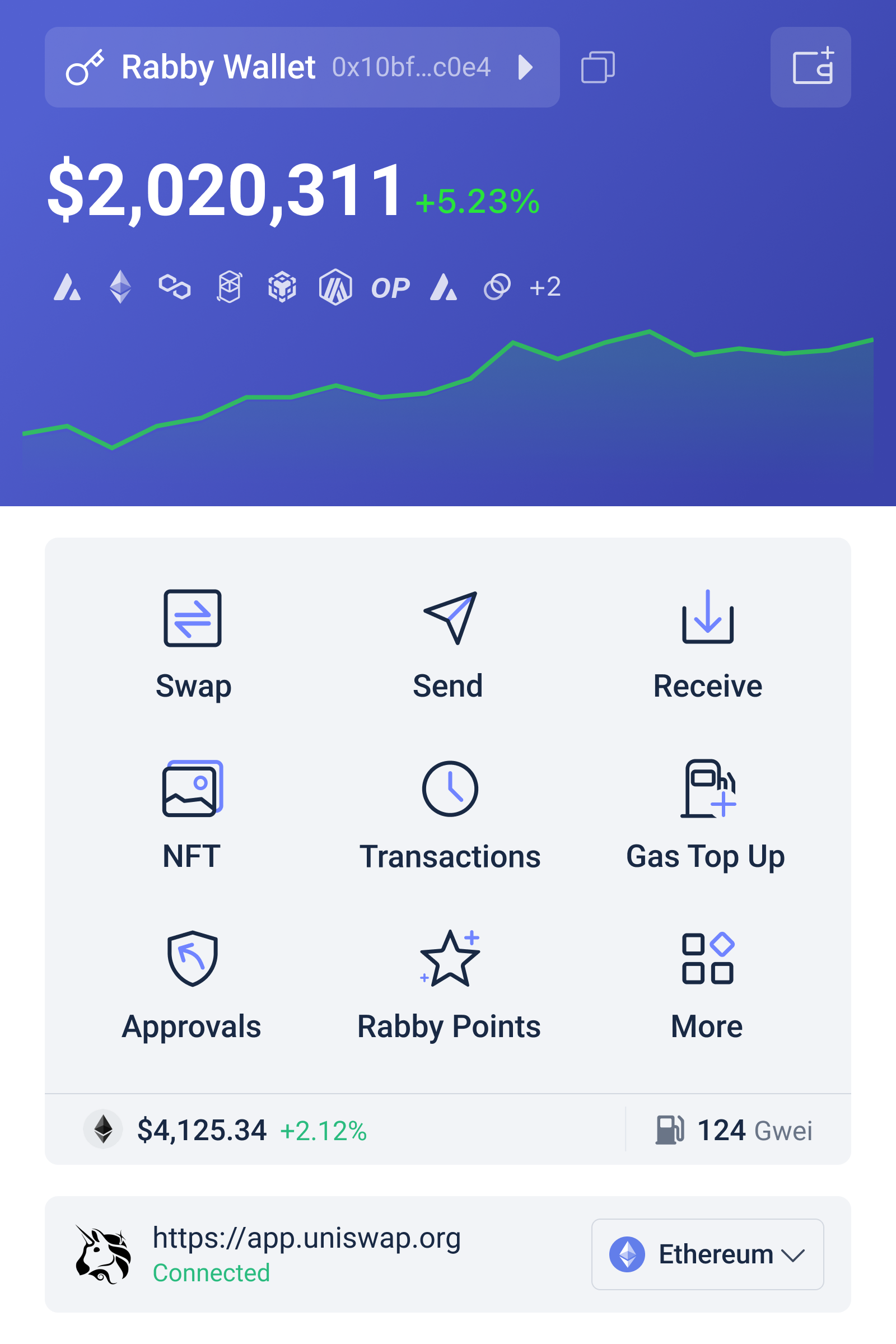
If you want a crisp, simulation-first UX that blends safety with usability, check a wallet that integrates simulation and shows decoded traces inline—like rabby wallet does for many DeFi flows. It doesn’t feel like a security lecture; it feels like a companion that says “hold up” when something smells off.
Hmm, now about approvals—
Approvals are a gigantic surface area problem. A single infinite approval to a router can be exploited later if that router’s access is abused. Simulations reveal if your approval call will succeed and whether it’s granting more access than expected, and they can even estimate what revocation would look like. That matters more than you think.
On one hand revoking is simple; on the other hand chain fees, token dust, and timing mean revoking isn’t always free or painless. So a wallet that simulates revocations and shows “what happens next” is providing real utility, not just convenience.
Here’s a small rant—
Automated “smart” gas settings are often wrong. They base on old blocks or on heuristics that ignore mempool congestion spikes. I prefer a tool that simulates with both the current mempool and with conservative buffers so you don’t get stuck because a tx never confirms. That conservative approach costs a bit more in gas sometimes, but it saves headaches and failed state that you can’t undo.
Finally, trust but verify.
Use simulation as your verifier. Pair it with nonce checks, multiple RPC endpoints, and especially a wallet that gives a readable reason why a tx would fail or succeed. Some risks won’t show up in a sim—front-ends can lie, oraacles can be manipulated off-chain—and you should keep your guards up. Still, simulating reduces uncertainty dramatically.
Common questions about transaction simulation
Does simulation guarantee safety?
No. It reduces unknowns by showing on-chain effects under the node’s assumptions. You can still hit MEV, oracle manipulation, or off-chain governance changes, but simulation catches many common traps before you sign.
How often should I simulate?
Every time you interact with a new contract, or when you batch calls. For routine swaps on familiar pools you can be faster, though I still run sims if value is meaningful. I’m not 100% rigid about it, but patterns matter—habit saves mistakes.
Which wallets do this well?
Look for wallets that integrate decoded traces, mempool-aware sims, and clear human-readable warnings. A wallet that makes simulation a first-class feature will change your behavior. Try one that blends safety and speed and see how your confidence shifts.
Recent Comments